Today’s parents are more aware than ever about what goes into their children’s food. From artificial colours and preservatives to hidden chemicals, packaged foods often raise concerns about long-term health and development. The good news? Building a chemical-free pantry for your kids is possible—and it doesn’t have to be complicated.
This practical guide will help Indian parents make safer, smarter food choices for their children.
Why a Chemical-Free Pantry Matters for Kids
Children’s bodies are still developing, which makes them more sensitive to harmful additives such as:
- Artificial colours and flavours
- Preservatives
- Refined sugar and unhealthy fats
- Chemical residues from farming and processing
Over time, these can impact immunity, digestion, behaviour, and overall well-being. A clean pantry supports better nutrition, stronger immunity, and healthier eating habits from an early age.
Step 1: Read Food Labels Carefully
One of the most important habits parents can develop is label reading.
Avoid products that contain:
- Artificial colours (INS numbers, synthetic dyes)
- Preservatives like sodium benzoate or BHA/BHT
- Artificial sweeteners
- Long ingredient lists you can’t easily recognise
Choose foods with short, simple ingredient lists made from natural sources.
Step 2: Choose Organic Staples Wherever Possible
Organic foods are grown without synthetic pesticides, fertilisers, or harmful chemicals, making them a safer choice for children.
Start with everyday staples such as:
- Rice, millets, and pulses
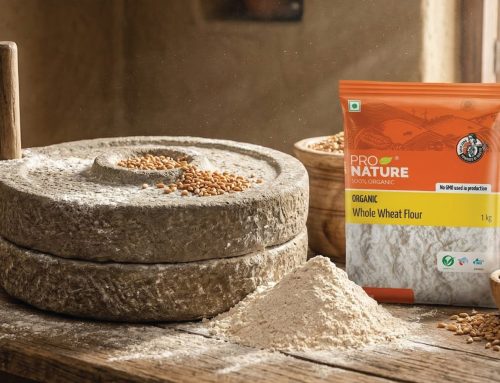
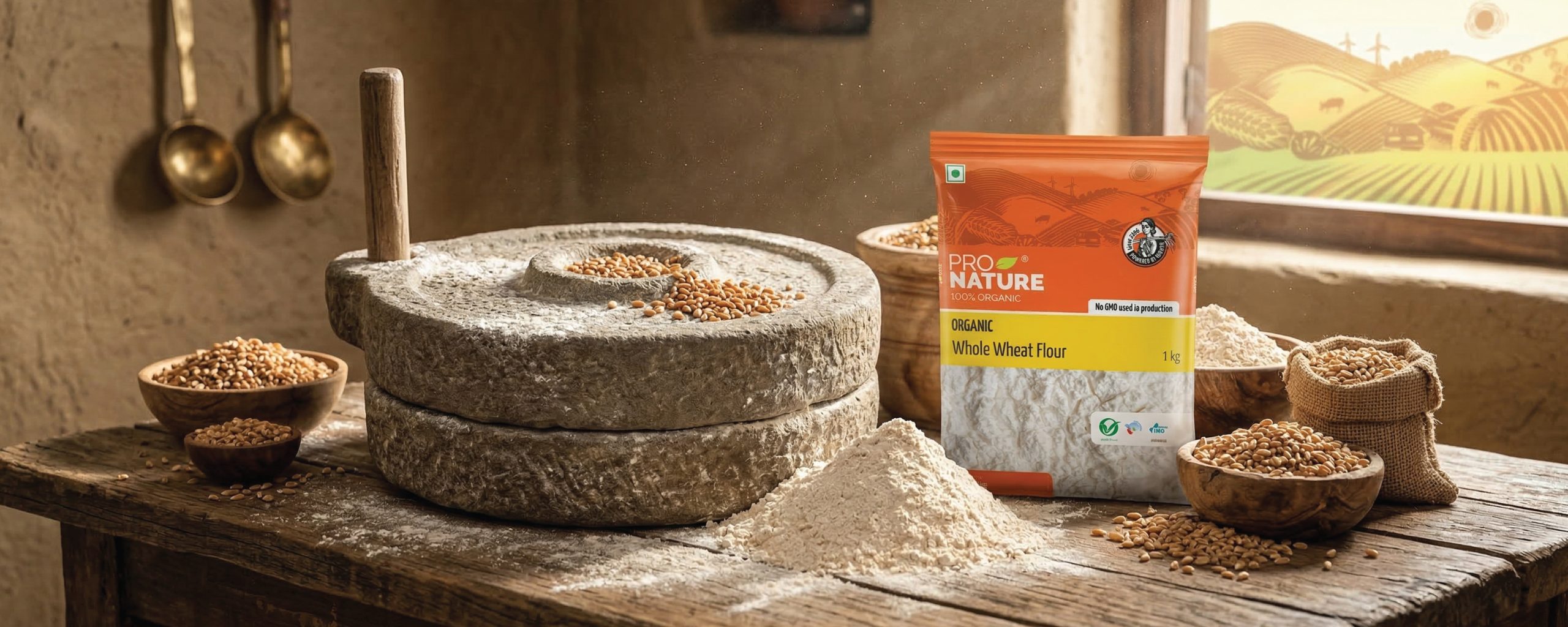
- Atta and flours
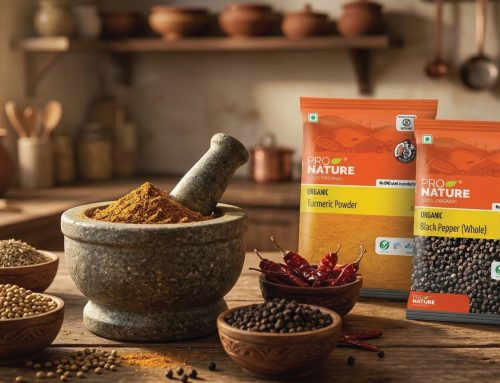
- Spices and masalas
- Cooking oils, ghee, and honey
Switching to organic staples reduces your child’s daily exposure to chemical residues.
Step 3: Replace Packaged Snacks with Natural Alternatives
Many kids’ snacks are loaded with colours, flavours, and preservatives. Instead, stock your pantry with wholesome options like:
- Dry fruits and nuts
- Roasted chana and makhana
- Homemade laddoos made with jaggery
- Puffed millets and natural snack mixes
These options are not only cleaner but also more nutritious and filling.
Step 4: Watch Out for Hidden Sugars and Colours
Products marketed as “kids’ foods” often contain hidden sugars and artificial colours—even in cereals, flavoured milk mixes, and spreads.
Look for:
- No added refined sugar
- Naturally derived ingredients
- No artificial colouring agents
Opt for jaggery, dates, or honey as natural sweeteners in moderation.
Step 5: Prefer Traditional Indian Foods
Indian kitchens have always followed clean, balanced eating practices. Reintroducing traditional foods helps reduce dependence on ultra-processed products.
Include:
- Millets like ragi, jowar, and bajra
- Homemade curd and buttermilk
- Traditional porridges and snacks
- Cold-pressed oils used in moderation
These foods are nutrient-dense and gentle on young digestive systems.
Step 6: Store Food Safely
A chemical-free pantry also means safe storage.
- Use steel or glass containers instead of plastic
- Keep food away from moisture and pests
- Avoid reheating food repeatedly
- Rotate stock to ensure freshness
Proper storage preserves nutrition and prevents contamination.
Step 7: Involve Your Kids in Healthy Choices
When children understand what they eat, they develop healthier habits.
- Take them grocery shopping and explain food choices
- Encourage them to help in the kitchen
- Teach them the difference between natural and artificial foods
This builds awareness and reduces cravings for unhealthy snacks.
Final Thoughts: Small Changes Make a Big Difference
Building a chemical-free pantry doesn’t mean changing everything overnight. Start small—replace a few items at a time, choose cleaner alternatives, and focus on long-term health rather than perfection.
A pantry filled with natural, organic, and minimally processed foods is one of the best gifts you can give your child—for today and for the future