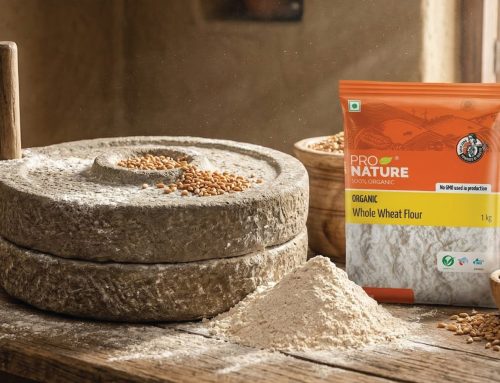
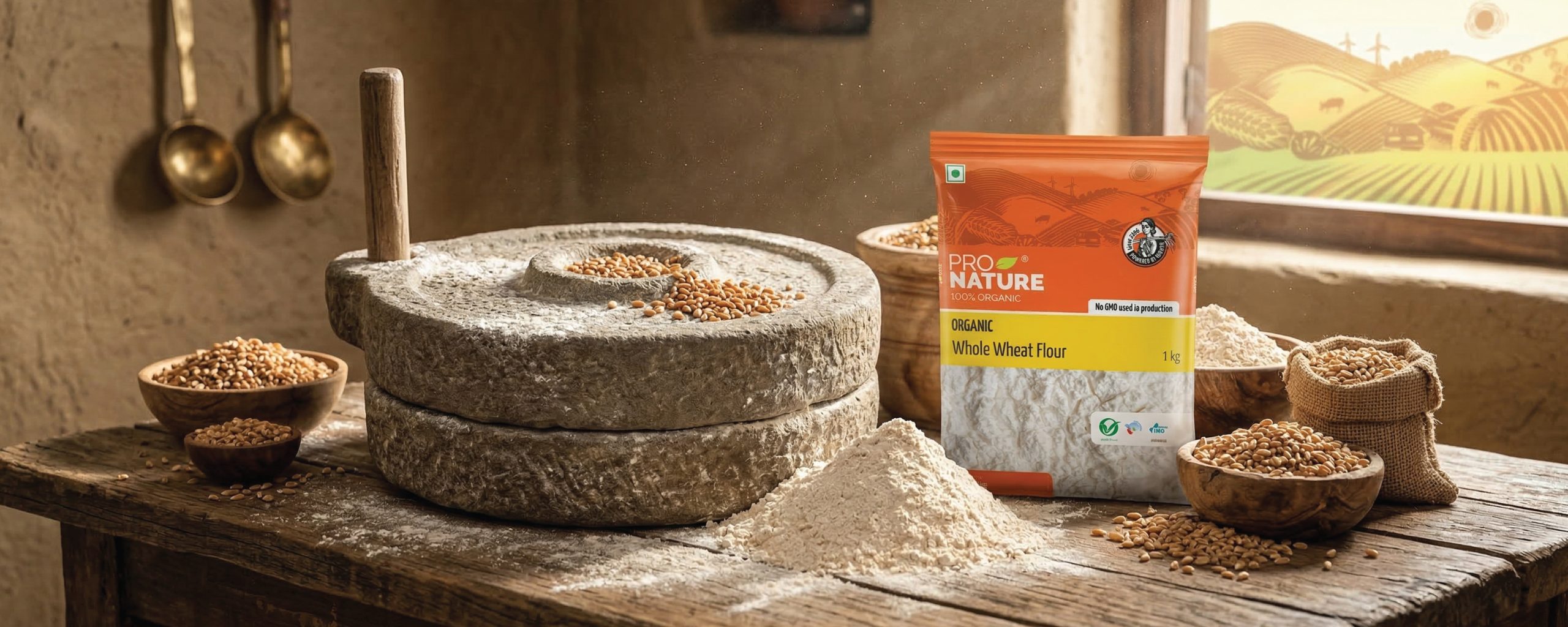
For centuries, millets were a part of India’s everyday meals — nourishing families with their rich nutrition and earthy flavours. But with the growing dominance of polished rice and refined wheat, these ancient grains slowly faded from modern kitchens.
Today, millets are making a powerful comeback. With rising health awareness, clean-label preferences, and global recognition through the International Year of Millets (IYM), India is rediscovering the real value of these traditional superfoods.
Millets are not just another trending ingredient — they are a complete nutritional package rooted in India’s food heritage. Their balance of fibre, minerals, and plant-based nutrients makes them perfect for today’s fast-moving lifestyle and wellness-focused eating habits.
Why Millets Are Gaining Popularity Again
Millets offer a unique combination of health, convenience, and sustainability — making them ideal for the modern Indian consumer.
Key Benefits of Millets
- Rich in Fibre
Supports better digestion, gut health, and long-lasting fullness.
- Low Glycemic Index
Ensures slow, steady energy release — suitable for balanced sugar levels.
- Mineral-Rich
Loaded with iron, magnesium, phosphorus, calcium, and antioxidants.
- Naturally Gluten-Free
Perfect for those reducing gluten or seeking lighter, cleaner grains.
- Heart-Friendly
High fibre and plant compounds help maintain cardiovascular wellness.
- Immunity-Boosting
Minerals and antioxidants work together to strengthen natural immunity.
- Planet-Friendly Grain
Millets need very little water, grow in tough climates, and support sustainable, low-carbon farming — which makes them great for the environment.
Types of Millets You Should Know
Each millet offers unique benefits, flavours, and culinary uses. Here are the most popular ones gaining attention across India:
- Ragi (Finger Millet)
-
- Extremely rich in calcium and iron
- Great for bone health
- Ideal for porridges, rotis, laddoos, malt mixes, and baby food
- Jowar (Sorghum)
-
- High in fibre and antioxidants
- Naturally gluten-free
- Commonly used for rotis, bhakris, and healthy snacks
- Bajra (Pearl Millet)
-
- Nutrient-dense and warming
- Perfect for rotis and traditional winter dishes
- Foxtail Millet
-
- Light, easy to digest
- Great for upma, khichdi, dosa batter, and porridge
- Little Millet
-
- A versatile rice alternative
- Perfect for pulao, pongal, and daily meals
- Barnyard Millet
-
- Low in calories and quick to cook
- Popular in fasting foods and healthy bowls
- Kodo Millet
-
- High in fibre, good for digestion
- Works well in rice-based recipes
- Browntop Millet
-
- One of the most nutrient-rich millets
- Gaining popularity as a daily wellness grain
Why India Is Returning to Millets
Millets perfectly match the needs of today’s health-aware consumer:
- They are nutritious yet light.
- They fit into everyday recipes without difficulty.
- They support sustainable agriculture.
- They help us reconnect with our traditional food wisdom.
From rotis and dosas to cookies, snacks, and ready-to-cook mixes, millets are now available in modern, convenient formats — making it easier than ever to add them to your lifestyle.
Conclusion: A Return to Roots, A Move Toward Wellness
India’s millet revival is more than a trend — it’s a conscious shift toward better health and sustainable living. By choosing millets, you’re nourishing your body with clean, natural goodness while supporting the environment and traditional farming communities.
Millets remind us that sometimes, the best nutrition is found in the wisdom of our past — and the future of food is truly ancient.