Is “Sustainable Eating” just a trend? Or is it the future of our planet?
If you’ve scrolled through Instagram or LinkedIn lately, you’ve probably seen the terms sustainability, carbon footprint, and eco-friendly everywhere. But when it comes to the dal, rice, and spices in your kitchen, does it really matter?
The short answer: Yes.
At Pro Nature Organic, we believe that every meal is a vote for the kind of world you want to live in. And in 2025, with heatwaves and erratic monsoons becoming common across India, choosing organic isn’t just about personal health—it’s a powerful act of climate activism.
Here is the science behind why your grocery list matters, simplified.
- The Hidden Villain: Nitrous Oxide (N₂O)
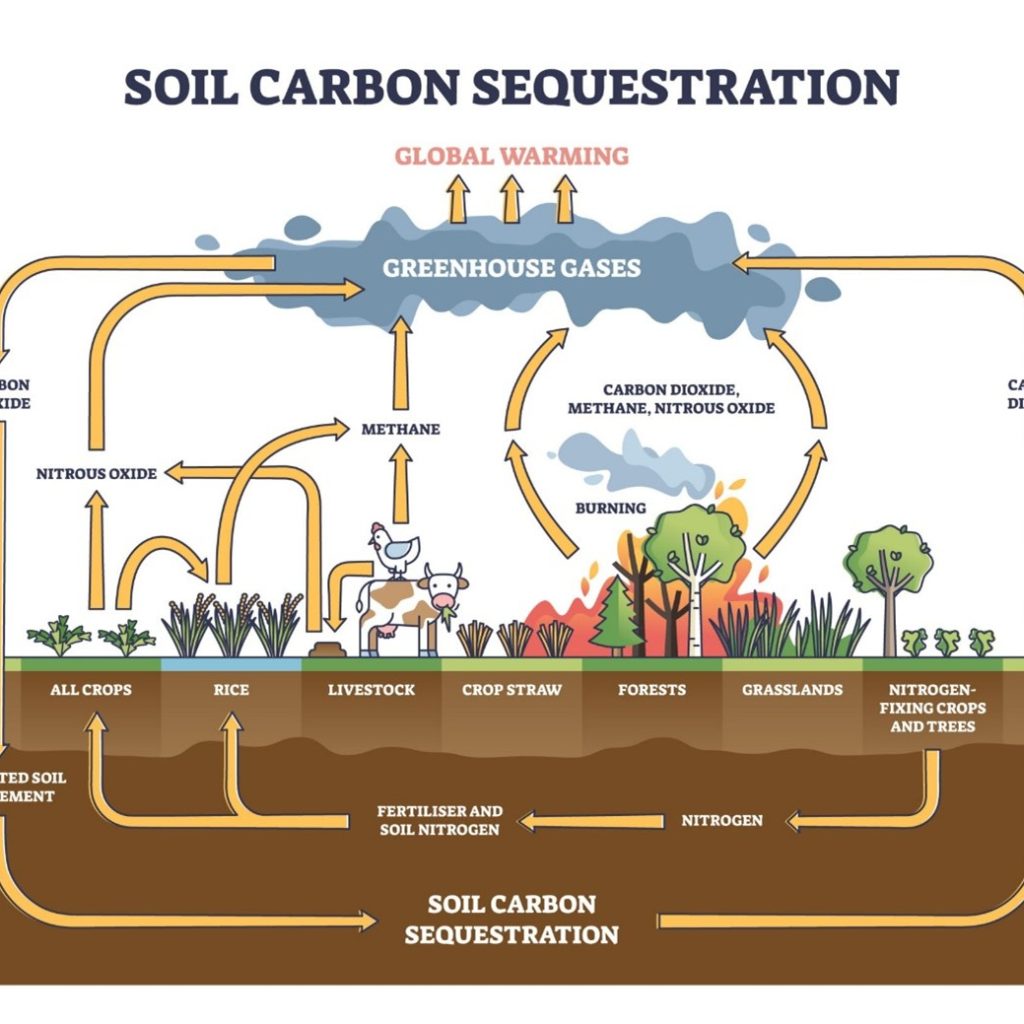
We often blame cars (CO₂) for climate change. But conventional agriculture releases Nitrous Oxide, a greenhouse gas 300 times more potent than CO₂.
-
- The Problem: Chemical farming overuses synthetic nitrogen fertilizers, releasing massive amounts of N₂O.
- The Organic Fix: We use natural compost and nitrogen-fixing crops. This drastically cuts emissions.
- 2025 Insight: A recent ICAR report warns that chemical fertilizer overuse is accelerating soil degradation across India. Organic farming stops this at the root.
- Soil: The Earth’s Carbon Sponge
Did you know healthy soil can remove carbon from the air?
-
- Conventional Farming: Kills soil life, turning land into a carbon source.
- Organic Farming: Builds “humus-rich” soil using green manure. This turns the farm into a carbon sink, capturing carbon just like a mini forest.
- Saving India’s Water
With cities like Bengaluru and Delhi facing water stress, every drop counts.
-
- The Sponge Effect: Organic soil is rich in organic matter, holding water far better than chemically treated soil.
- The Result: Organic crops need less irrigation and survive droughts and heatwaves better than conventional crops—a crucial advantage for Indian farmers today.
- Protecting Biodiversity
A farm should be an ecosystem, not a factory.
Chemical farming creates “monocultures” (single crops, no nature). Organic farms are buzzing with life. By avoiding pesticides, we protect the bees and butterflies essential for pollinating India’s fruits and vegetables.
Why This Matters to YOU
When you choose a Pro Nature Organic product, you aren’t just eating chemical-free; you are driving change:
- Support Small Farmers: You help farmers break the debt cycle of expensive chemicals.
- Reduce Carbon: Organic production has a lower carbon footprint from farm to fork.
- Protect Your Family: You get 100% natural nutrition with zero synthetic residues.
Your 3-Step Climate Action Plan
You don’t need to change your whole life to make a difference. Start here:
- Switch Your Staples: Rice, Atta, and Dals make up 80% of your plate. Switching just these to organic creates the biggest environmental impact.
- Check the Logos: Look for Jaivik Bharat and India Organic certifications (found on every Pro Nature pack) to ensure authenticity.
- Cook Smart: Soak your organic dals and rice before cooking. It saves fuel and reduces cooking time.
The Bottom Line
Sustainability isn’t a western trend—it’s Indian tradition. Our ancestors farmed in harmony with nature. Organic farming simply revives that wisdom with modern science.
Eat Healthy. Live Sustainable. Choose Pro Nature.