The clean eating movement is gaining significant traction in India, especially among young families and health-focused Gen Z readers. With growing awareness about the harmful effects of chemicals in our food and daily lives, more people are looking to embrace a healthier, more sustainable lifestyle. This 30-day guide will help you transition to a chemical-free kitchen, making your home a sanctuary of health and wellness.
Why Go Chemical-Free?
From pesticides on produce to artificial preservatives in packaged foods and harsh cleaning agents, our kitchens are often laden with chemicals. These substances can have long-term adverse effects on our health, contributing to issues like allergies, hormonal imbalances, and even serious diseases. Switching to a chemical-free kitchen means:
- Better Health: Reducing your exposure to toxins naturally boosts your immune system and overall well-being.
- Enhanced Flavour: Fresh, natural ingredients often taste better and retain more nutrients.
- Environmental Responsibility: Opting for organic and natural products supports sustainable farming practices and reduces your ecological footprint.
- Peace of Mind: Knowing that your family is consuming wholesome, unadulterated food brings immense satisfaction.
Your 30-Day Chemical-Free Kitchen Challenge
This plan is designed to be gradual and manageable, helping you build sustainable habits.
Week 1: Pantry Purge & Replenish
The first step is to identify and remove items that don’t align with your new goals.
- Day 1-2: Inspect and Discard: Go through your pantry, refrigerator, and spice rack. Check labels for artificial colours, flavours, preservatives (like BHT, BHA, nitrates), high-fructose corn syrup, and hydrogenated oils. Be ruthless! If it has unpronounceable ingredients, toss it or donate unopened items.
- Day 3-4: Stock Up on Basics: Replace processed items with trustworthy organic brands.
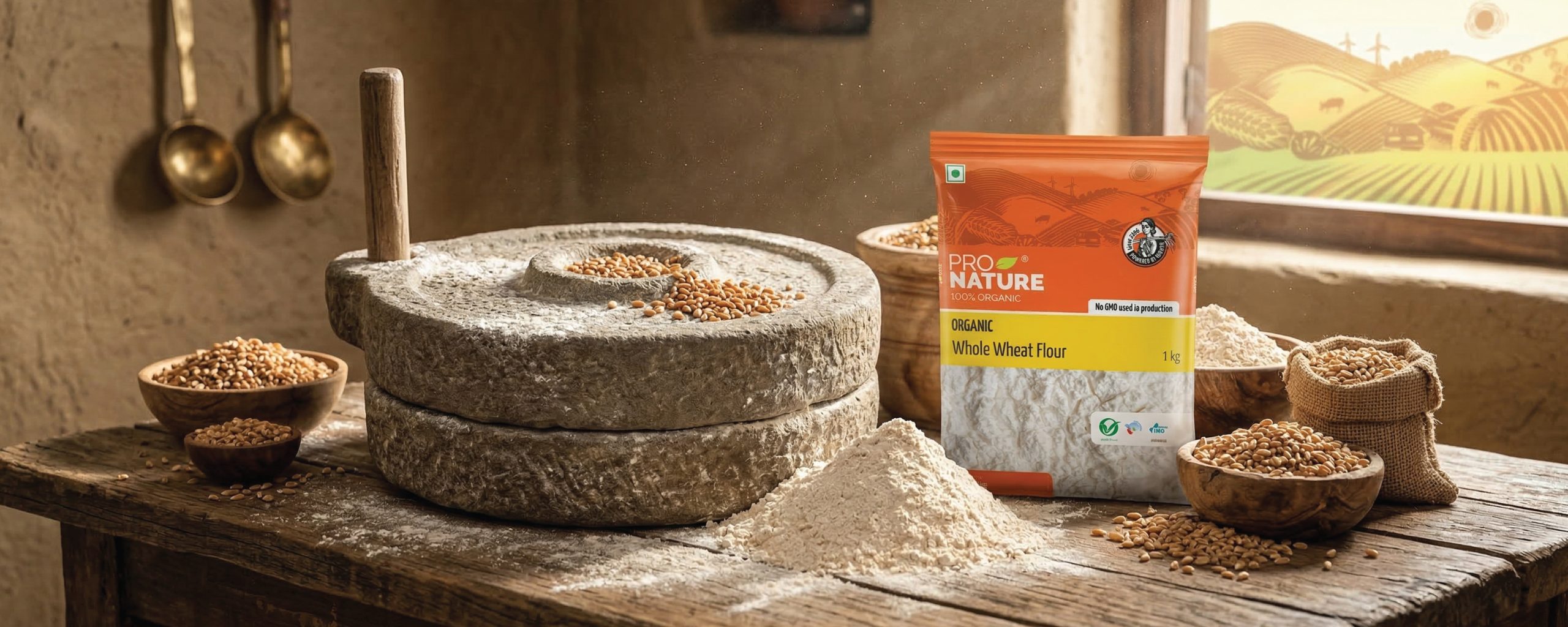
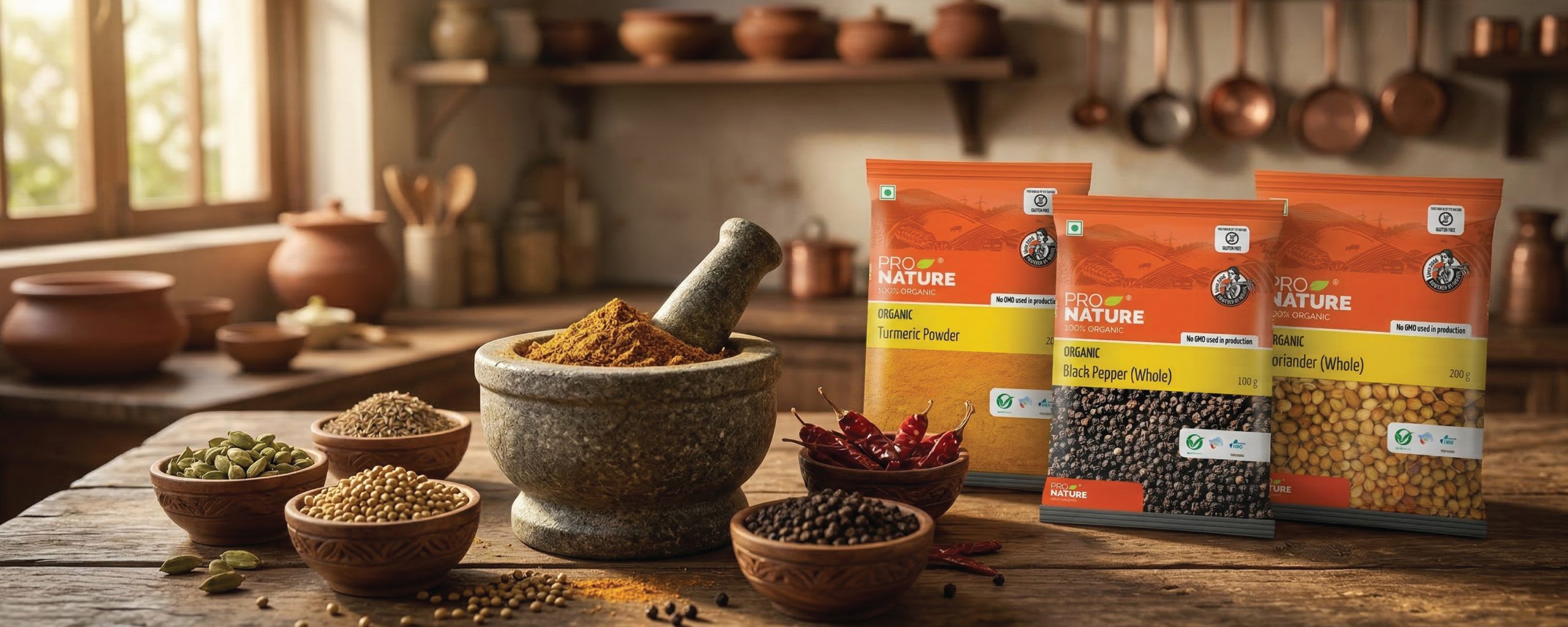
- Grains: Instead of generic polished grains, switch to nutrient-dense options. Opt for Pro Nature Organic Millets (like Ragi, Jowar, Bajra, or Foxtail Millet) which are certified organic and free from pesticides. They also offer organic Brown Rice and Quinoa.
- Legumes: Stock up on unpolished dals. Look for Pro Nature Organic Pulses (Moong, Masoor, Chana) to ensure they haven’t been treated with synthetic preservatives for storage.
- Fats: Switch to cold-pressed oils. Pro Nature Organic Cold-Pressed Groundnut or Sesame Oil are excellent choices that retain natural antioxidants unlike refined oils.
- Sweeteners: Try Pro Nature Organic Jaggery Powder or Honey for a chemical-free sweetness.
- Day 5-7: Organic Produce Focus: Start consciously buying organic fruits and vegetables. Look for local farmers’ markets or certified organic stores. If organic is not fully accessible, focus on washing non-organic produce thoroughly with a vinegar solution.
Week 2: Cooking & Cleaning Hacks
Now that your pantry is clean, it’s time to clean up your cooking methods and cleaning supplies.
- Day 8-10: Ditch Non-Stick Cookware: Non-stick coatings can release harmful chemicals when heated. Gradually replace them with cast iron, stainless steel, or ceramic cookware.
- Day 11-13: DIY Cleaning Solutions: Your kitchen cleaning supplies can be a major source of toxins. Make your own eco-friendly cleaners.
- All-Purpose Cleaner: Mix white vinegar, water, and essential oils (lemon, tea tree) in a spray bottle.
- Dish Soap: Look for plant-based, biodegradable dish soaps.
- Baking Soda Power: Use baking soda for scrubbing sinks, countertops, and deodorizing your fridge.
- Day 14: Filter Your Water: Invest in a good quality water filter for drinking and cooking. This reduces exposure to chlorine and other impurities.
Week 3: Mindful Eating & Conscious Choices
This week focuses on being more aware of what and how you eat.
- Day 15-17: Meal Prepping with Whole Foods: Plan your meals in advance using your newly stocked pantry. Focus on fresh, home-cooked meals to avoid processed foods.
- Day 18-20: Snack Smart: Replace packaged snacks with fresh fruits, nuts, seeds, homemade energy balls, or roasted chana. Pro Nature also offer healthy snacking options like organic peanuts and roasted grams if you need a quick fix.
- Day 21: Reduce Food Waste: A chemical-free kitchen also means being sustainable. Learn to store food properly to minimize spoilage and try composting food scraps.
Week 4: Sustaining the Lifestyle
Consolidate your efforts and make these changes permanent.
- Day 22-24: Grow Your Own: Start a small herb garden in your kitchen or balcony. Fresh herbs are free of pesticides and add incredible flavor.
- Day 25-27: Read Labels Diligently: This is a habit you’ll carry forward. Always check ingredient lists, even for products you’ve bought before, as formulations can change.
- Day 28-30: Educate & Share: Share your journey and newfound knowledge with friends and family. The more informed people are, the easier it is to collectively move towards healthier living. Reflect on how you feel – you’ll likely notice increased energy, better digestion, and an overall sense of well-being.
Switching to a chemical-free kitchen is one of the most impactful steps you can take for your health and the planet. This 30-day challenge provides a roadmap to help you embark on this rewarding journey, creating a cleaner, healthier, and happier home for you and your loved ones.