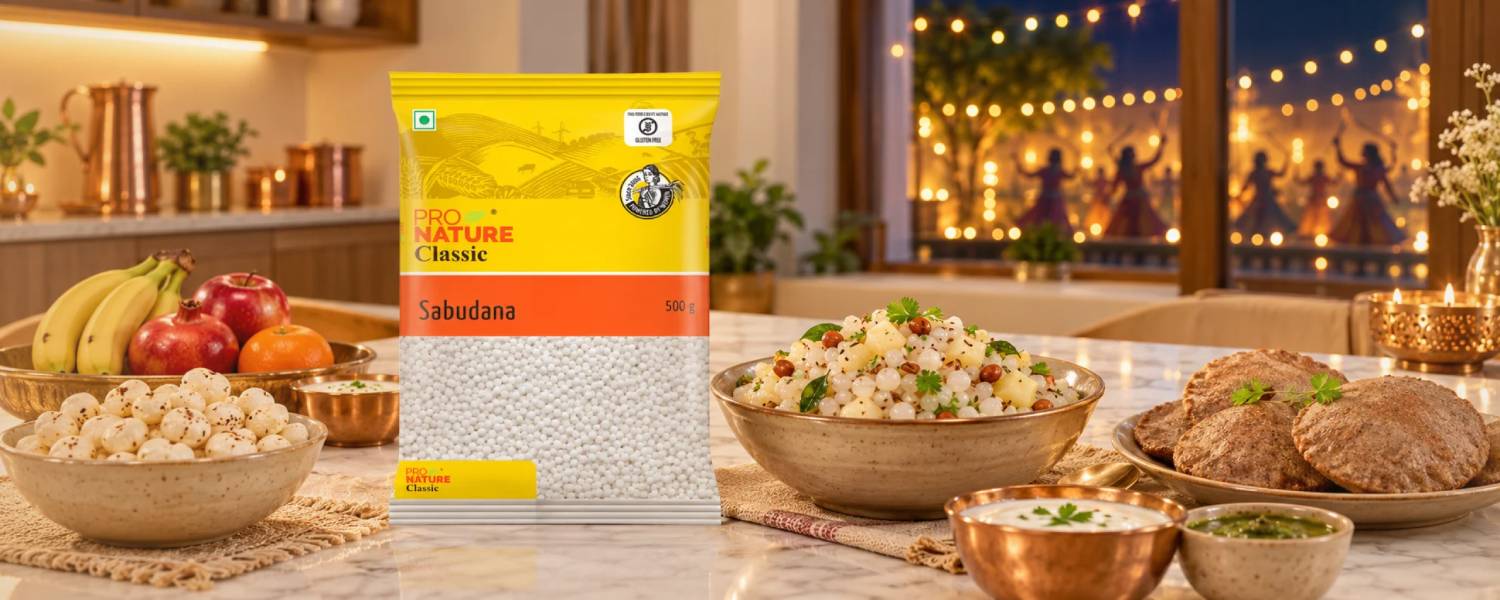
Navratri fasting has its own familiar menu. Sabudana khichdi for lunch, aloo sabzi with kuttu puri for dinner, and perhaps some makhana or fruit in between.
These dishes are part of the tradition, but eating variations of the same few foods for nine days can get repetitive. It can also mean relying heavily on starchy ingredients while overlooking other foods that could add variety.
So, what should you eat during a Navratri fast?
The answer isn't to find more vrat recipes. It's to make better use of the ingredients your fasting tradition allows. With a mix of fruits, vegetables, nuts, dairy, and fasting-friendly grains or alternatives, you can put together varied meals without complicating cooking.
Here's how to plan your Navratri fasting meals, one ingredient and one meal at a time.
What Can You Eat During a Navratri Fast?
Before planning your meals, start with the foods commonly included in Navratri fasting. The exact Navratri fasting rules vary by region, family, and the type of fast you observe, so use this list as a guide rather than a universal set of rules.
| Food group | Common options | How to use them |
|---|---|---|
| Fasting-friendly grains and alternatives | Kuttu, singhara flour, rajgira, sama rice, sabudana | Rotis, cheelas, khichdi, porridge |
| Fruits | Banana, apple, papaya, orange | Snacks, fruit bowls, breakfast |
| Nuts and seeds | Peanuts, almonds, cashews | Add to khichdi, snacks and desserts |
| Dairy | Milk, curd, paneer | Accompaniments, savoury dishes, kheer |
| Vegetables | Potato, sweet potato, bottle gourd, pumpkin, eggplant | Sabzi, curries and khichdi |
| Traditional fasting snacks | Makhana | Roasted snacks and kheer |
Most households avoid onion, garlic, regular table salt, certain spices, regular grains or pulses during vrat.
How to Build More Balanced Navratri Fasting Meals
These simple ideas can help you make your Navratri fasting food more varied without complicating your cooking routine.
1. Start With More Than One Starchy Ingredient
Sabudana, potatoes and fasting-friendly flours are popular because they're versatile and easy to cook. However, if nearly every meal centres on these ingredients, your food choices can become repetitive and heavily starch-based.
Sabudana, for example, is a starch-rich ingredient made from processed tapioca. It works well in khichdi, vada and kheer, but it needn't be the foundation of every meal.
Try rotating it with sama rice, kuttu, singhara flour or rajgira, depending on what your fast permits. Add permitted vegetables or dairy where suitable. The idea is to give yourself more options.
2. Include Protein Where Your Fasting Rules Allow
Protein can be easy to overlook when regular pulses and legumes are excluded from fasting meals.
Depending on your tradition, milk, curd, paneer, peanuts and nuts can contribute protein. You can incorporate them without changing the character of familiar vrat dishes. For example, serve curd alongside a suitable meal or add peanuts to sabudana khichdi. Milk can also be used in a breakfast preparation or kheer.
These additions won't make every meal nutritionally complete on their own, but they help you think beyond a plate made up almost entirely of starch.
3. Make Room for Fruits and Vegetables
Fasting menus often feature potatoes prominently, but other permitted vegetables can bring different flavours and textures to your meals.
Depending on your fasting rules, bottle gourd, pumpkin, and sweet potato may be options. Use them in simple sabzis or combine suitable vegetables with sama rice.
Fruits offer another easy way to add variety. Instead of relying on the same fruit every day, rotate seasonal options such as bananas, apples, papaya and oranges.
4. Keep Snacks Simple
Fried vrat snacks are popular, but they don't have to be your only option between meals.
Makhana can be dry-roasted with a little ghee and permitted seasonings for a crunchy snack. Fruit, a small serving of nuts or another suitable homemade snack can also add variety.
Pro Nature Classic Makhana can be used for roasted snacks or traditional makhana kheer. The same ingredient can serve different purposes depending on how you prepare it.
What to Eat During a Navratri Fast: Meal Ideas for the Day
Here's how you can combine common fasting foods throughout the day, depending on your fasting rules.
| Meal | Food ideas |
|---|---|
| Morning | Seasonal fruit with milk, or rajgira porridge |
| Mid-morning | Dry-roasted makhana or a small serving of nuts |
| Lunch | Sabudana khichdi with peanuts, or sama rice khichdi with permitted vegetables |
| Evening | Apple, banana or another seasonal fruit |
| Dinner | Kuttu or Sama or Rahgira roti with a permitted vegetable dish, or a suitable paneer preparation |
You can switch between these options throughout Navratri to avoid eating the same dishes every day. For instance, alternate sabudana khichdi with sama rice khichdi, or choose different fasting-friendly flours for your rotis.
These are meal ideas, not a prescribed diet plan. Adjust the portions and meal timings to suit your appetite, individual needs and fasting practices. If you observe a stricter fast with fewer meals or limited ingredients, follow the rules of your tradition.
Common Mistakes to Avoid When Planning Navratri Fasting Food
Relying on Fried Foods for Every Meal
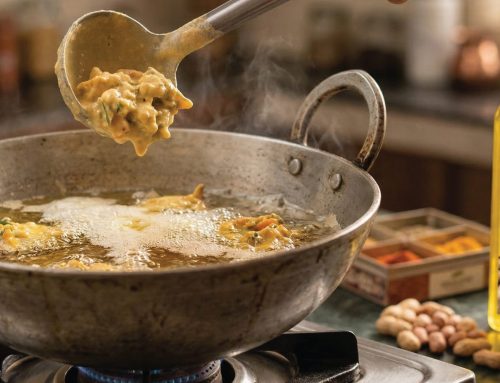
Puris, vadas and fried snacks are part of many fasting menus. But alternating them with roasted, boiled or simply cooked options gives you variety.
Treating All Fasting Foods as Nutritionally Identical
Kuttu, sabudana, fruit, nuts and dairy serve different purposes in a meal. Sabudana is mainly starch, while nuts contribute fats and some protein, and dairy provides protein and calcium.
Understanding these differences can help you combine ingredients more thoughtfully rather than treating every permitted food as interchangeable.
Forgetting About Fluids
Remember to drink water regularly throughout the day if your fasting practice permits it. Milk, buttermilk or coconut water may also fit some fasting routines.
Your fluid needs depend on factors such as weather and activity. If your fast restricts fluids, or you have a medical condition affected by fasting, seek appropriate medical guidance.
Assuming Every Vrat Ingredient Is Allowed Everywhere
Fasting traditions differ. A food permitted in one household may be avoided in another. Check ingredients, seasonings and packaged-food labels instead of relying on a generic Navratri fasting food list.
How to Prepare Your Kitchen for Nine Days of Fasting
A little preparation can make daily cooking easier.
- Stock your staples: Keep the fasting-friendly flours, sama rice or sabudana your family uses.
- Plan a few combinations: Choose different lunches, dinners and snacks before the fasting period begins.
- Keep convenient options ready: Fruits, nuts, wafers and makhana can be useful when you need something simple.
- Check your ingredients: Read packaged-food labels and make sure they fit your fasting rules.
Pro Nature Sabudana can be used for familiar preparations such as khichdi, vada and kheer. Pro Nature Classic Makhana is another option for roasted snacks and makhana kheer. Having a few versatile ingredients ready can make it easier to prepare different meals without starting from scratch every time.
A Note on Fasting and Your Health
Fasting affects people differently. If you have diabetes, take medication that needs to be coordinated with meals, are pregnant or breastfeeding, or have a medical condition that could be affected by fasting, consult a qualified healthcare professional before changing your eating pattern.
If you experience fainting, persistent dizziness or significant weakness while fasting, seek medical advice rather than pushing through the symptoms.
Conclusion
Navratri fasting doesn't have to mean eating the same food every day. Those familiar dishes can remain part of your menu while fruits, permitted vegetables, nuts, dairy and other vrat-friendly ingredients add variety.
The simplest way to plan your meals is to look beyond individual recipes and think about how your ingredients work together. Rotate your staples, include other permitted foods where possible, and keep a few easy snacks ready.
With a little planning, you can follow your fasting traditions while making your meals less repetitive and easier to manage throughout Navratri.
Frequently Asked Questions
What foods are allowed during a Navratri fast?
Common options include fruits, nuts, makhana, sabudana, kuttu, singhara flour, rajgira, sama rice, dairy and permitted vegetables. The exact choices depend on your family's Navratri fasting rules.
What should I eat during a Navratri fast to maintain energy?
Choose a variety of foods allowed by your fasting rules instead of relying on only one or two ingredients. Depending on your tradition, you can combine fasting-friendly grains or alternatives with fruits, nuts, dairy and vegetables.
Can I eat sabudana every day during Navratri fasting?
Sabudana is commonly eaten during vrat, but it is primarily a source of starch. You can alternate it with other permitted ingredients, such as sama rice or kuttu, to add variety to your meals.
Is makhana allowed during Navratri fasting?
Makhana is a traditional fasting ingredient in many Indian households. It is commonly roasted or used to prepare kheer. Check that the preparation and seasonings fit your fasting rules.
Can I drink milk during Navratri fasting?
Milk is allowed in many fasting traditions and can be consumed on its own or used in preparations such as porridge and kheer. Follow the rules you observe.